

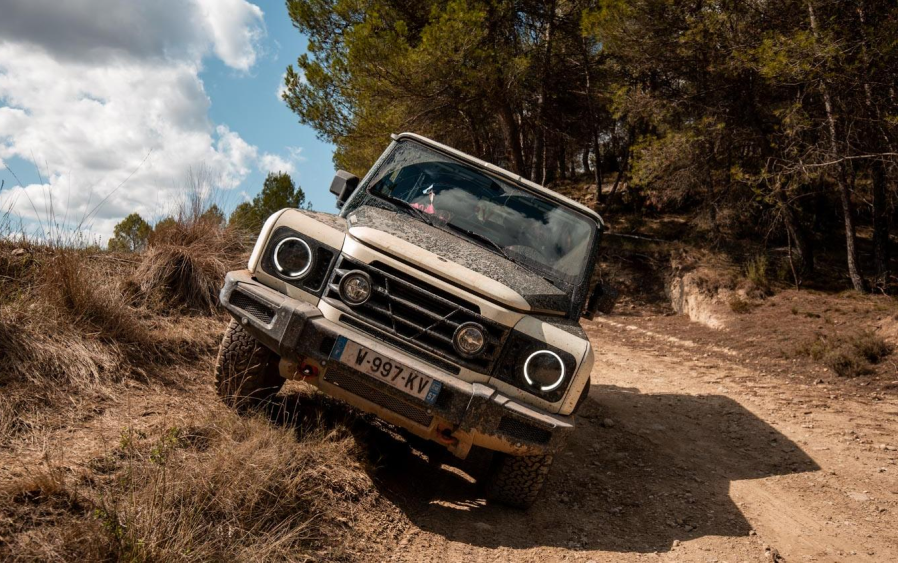
When it comes to off-roading in an INEOS Grenadier Station Wagon, tire pressure is more than a number it’s the difference between tackling the trail with confidence and getting stuck halfway. The right PSI improves traction, cushions your ride over rough terrain, and helps protect your tires from damage. Go too high, and you’ll lose grip. Go too low, and you risk damaging the tire or rim.
This guide lays out the optimal PSI ranges for sand, gravel, rocky trails, mud, and snow—along with adjustments for vehicle weight, tire type, and driving speed. You’ll also learn how to fine-tune tire pressure for local trails around Roswell, Riversong, Windrush, and Suwanee, plus what tools you need for quick adjustments on the go. Whether you’re lowering PSI for soft sand, raising it for sharp rocks, or managing pressure on long gravel stretches, the right setup can transform your off-road experience.
If you want expert advice or hands-on help with your INEOS off-road tire pressure, visit or contact Regal INEOS Grenadier. Our team can help you get your Station Wagon ready for the trail so you can drive off knowing you’ve got the right grip for every adventure.
What PSI Works Best for Off-Roading in an INEOS Grenadier?
Getting the right INEOS off-road tire pressure is key for control, safety, and comfort on the trail. The Grenadier Station Wagon is built for rough ground, but your tires need the right setup to match.
On paved roads, higher PSI gives smooth rides and fuel savings. Off-road, lower PSI lets your tires flex and grip. The right number depends on the ground you plan to drive.
Common starting points for off-road PSI:
- Light trails: 20–25 PSI
- Sand or mud: 15–20 PSI
- Rocky terrain: 25–30 PSI
Always start higher if unsure. Then lower your PSI a bit at a time until you find the balance of grip and comfort. Check your tires often during the drive, especially as the ground changes.
Why Adjusting Tire Pressure Matters for Trail Driving in Roswell, Riversong, Windrush, and Suwanee
The optimal PSI INEOS Grenadier setup can make or break a day on the trail. Lowering tire pressure helps the Station Wagon spread its weight over a larger area. This gives better grip on loose or uneven ground.
When driving in Roswell, Riversong, Windrush, or Suwanee, the trails can change fast. Red clay can be slick after rain. Gravel tracks can be rough and sharp. Creek beds may be loose and soft. The right PSI for each type keeps you in control.
Key reasons to adjust PSI before hitting the trail:
- Better traction on loose dirt, gravel, or sand.
- Smoother ride by letting tires absorb bumps.
- Less risk of cuts or punctures from rocks.
- Improved safety by reducing tire spin.
When your PSI matches the trail, you use less energy and keep the ride safer for everyone inside.
Recommended PSI Settings for Different Off-Road Terrains
The right tire pressure for trail driving depends on the surface under your tires. Your Station Wagon can handle a wide range of terrain, but each needs its own setup.
Here’s a simple guide:
| Terrain Type | PSI Range |
| Sand or soft soil | 18–26 |
| Smooth gravel roads | 32–36 |
| Rough gravel tracks | 26–32 |
| Rocky trails | 22–28 |
| Mud or deep snow | 15–20 |
- Sand: Lower PSI lets tires “float” over the surface.
- Gravel: Higher PSI for smooth stretches; lower for rougher, slower paths.
- Rocks: Medium PSI protects tires while keeping grip.
- Mud/Snow: Low PSI digs in less and grips more.
Always bring a gauge and a way to add air back in before returning to paved roads.
How Tire Type and Vehicle Weight Affect Your PSI Choices
Your tires and load have a big effect on the right PSI. The INEOS gravel psi recommendations are based on how your tires meet the ground, and that can change fast.
Tire Type:
- All-Terrain (A/T): Good for most trails. Can handle both gravel and mud. Often works well in the mid PSI range.
- Mud-Terrain (M/T): Best for wet or soft ground. Can run lower PSI for grip without losing strength.
Vehicle Weight:
The Station Wagon is strong and heavy. A full load of gear, tools, or supplies adds even more weight. Extra weight can mean you need slightly higher PSI to keep your tires from rolling too much on turns.
Simple tip: Heavier load, higher PSI. Light load, lower PSI. But never go so low that your tires risk coming off the rim.
Balancing Speed and Safety When Lowering PSI
Lower pressure can help you grip the trail, but too low can be risky. You need to adjust PSI for off-road grip while keeping control at all times.
Here’s why speed matters:
- Low PSI is best at slow speeds on rough ground.
- Higher PSI is safer when driving faster on smoother trails.
If your tires are too soft and you hit a bump at high speed, you risk damage to the tire or rim. You may also lose steering control.
Safe balance tips:
- Keep PSI a bit higher for faster travel.
- Lower PSI more for steep climbs or soft ground.
- Use a gauge before and during your trip.
For the Station Wagon, this balance lets you move from trail to road without trouble. The key is to change PSI as the ground and speed change.
Step-by-Step Guide to Adjust PSI for Off-Road Grip
Setting the right INEOS off-road tire pressure is simple if you follow a clear process. The Station Wagon can handle tough ground, but only if your tires match the terrain.
Steps to adjust PSI for the trail:
- Check your current PSI before you start.
- Lower PSI to match the ground you plan to drive on.
- Test the feel by driving a short distance.
- Watch your tires for signs of too much flex or roll.
- Adjust again if needed for better grip or comfort.
- Reinflate before you drive back on paved roads.
Pro tip: Lower PSI slowly. Big drops in one step can harm handling and make steering harder to control.
Essential Tools and Gear for Managing Off-Road Tire Pressure
Finding the optimal PSI INEOS Grenadier setting is easier when you have the right tools. The Station Wagon is built for off-road work, but you still need gear to keep pressure safe.
Useful tools to carry:
- Tire pressure gauge: Gives fast, accurate readings.
- Portable air compressor: Lets you add air back in after the trail.
- Tire deflator tool: Speeds up lowering PSI without damage.
- Spare valve caps: Small but easy to lose on the trail.
- Beadlock wheels (optional): Help keep tires in place at low PSI.
Always store these tools in a secure space in your vehicle. Easy access can save time if the terrain changes fast.
Preparing for Off-Roading Adventures Near Roswell, Riversong, Windrush, and Suwanee
Knowing the right tire pressure for trail driving is part of planning your trip. The Station Wagon can take on most trails in this area, but each route may need a different setup.
Before you go:
- Check the forecast. Wet trails may need lower PSI for grip.
- Know your route. Steep climbs or rocky paths may require mid-range PSI.
- Pack your tools. You may need to adjust more than once in a day.
Local examples:
- Roswell: Mix of clay and gravel roads.
- Riversong: River crossings with soft banks.
- Windrush: Rocky hill climbs and sharp turns.
- Suwanee: Forest tracks that change with the weather.
When your PSI fits the trail, you get better control, less wear on tires, and a smoother ride from start to end.
Key Questions About INEOS Grenadier Off-Road Tire Pressure
Many off-road drivers have common questions about tire pressure because it affects safety, grip, and vehicle performance. Understanding the right PSI for different conditions can help protect your INEOS Grenadier and improve your trail experience.
What tire pressure is recommended for INEOS off-road driving?
Recommended off-road tire pressure varies by terrain. For lighter off-roading, 20–25 PSI is typical. For sand or mud, lower to 15–20 PSI. Rocky terrain calls for a higher range around 25–30 PSI to prevent tire damage.
How does terrain (sand, rock, mud) change ideal PSI?
- Sand and soft ground: Lower PSI (18–26) to increase tire contact and float over loose surfaces.
- Rocky terrain: Higher PSI (25–30) to protect tires from punctures and sharp rocks.
- Mud: Lower PSI (15–20) to boost traction and grip.
Should I lower PSI for traction and re-inflate on pavement?
Yes. Lowering PSI improves grip on soft or uneven surfaces. You should always re-inflate your tires before driving on paved roads to avoid tire damage and maintain control.
How do I monitor tire pressure during a trip?
Use a tire pressure gauge to check PSI regularly. Portable gauges and air compressors help adjust pressure before and during off-road trips. Checking pressure frequently ensures safe and optimal tire performance.
Are there risks to airing down too much?
Yes. Too low PSI can cause the tire to separate from the rim (de-beading), reduce ground clearance, increase the risk of tire damage, and affect vehicle handling. Always lower pressure gradually and avoid extreme lows unless using special equipment like beadlock wheels.
Find Your Best Off-Road PSI
Getting the right tire PSI can make or break your off-road drive. The wrong pressure could cost you grip, comfort, or even safety. If you’re in Roswell, Riversong, Windrush, or Suwanee, Regal INEOS Grenadier can help you find the sweet spot for your tires and your trips. We also offer a wide selection of vehicles, including the rugged Station Wagon.
Want to see how the Grenadier stacks up in head-to-head battles? Our off-road comparison breaks down how it performs against other 4x4 legends. Thinking about what makes this SUV a true trail machine? Learn more in our off-road powerhouse feature. Need to plan for passengers before your next trip? Our guide to seating capacity in the INEOS lineup has you covered.
Come visit us today. See the difference for yourself at Regal INEOS Grenadier. Your next off-road adventure starts here.
Get Directions to Regal INEOS Grenadier
Disclaimer: All information is provided for general informational and entertainment purposes only. While we strive for accuracy, we cannot guarantee that all content is complete, current, or error-free. Any reliance you place on such information is strictly at your own risk. This article may include opinions and is not endorsed by, or officially affiliated with, any vehicle manufacturer or brand. Always consult official sources – such as the vehicle’s owner’s manual, authorized dealerships, or certified professionals – for the most up-to-date and personalized information.