
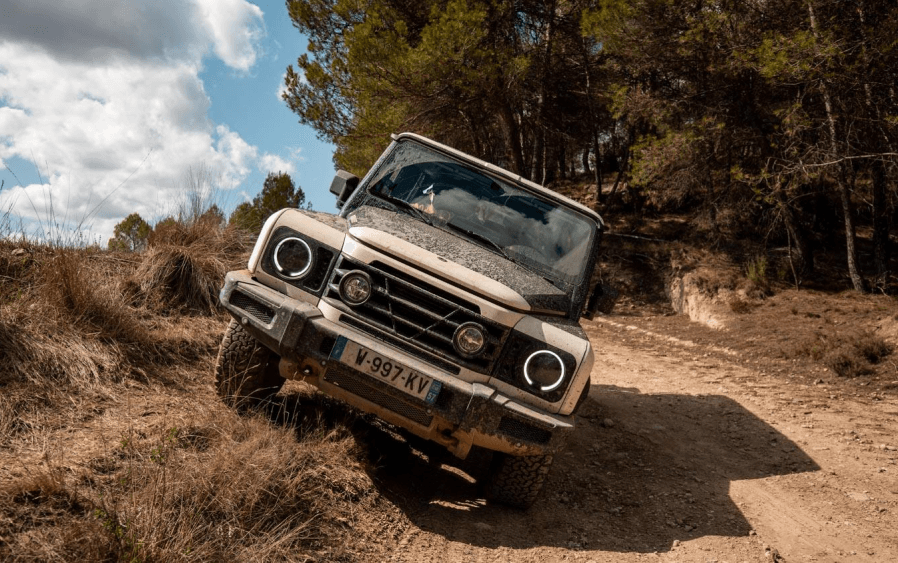
In off-roading, where one wheel might be buried in mud while another grips rock, the right differential system ensures balance, traction, and control. From open to locking and limited-slip designs, understanding how differentials work—and how they impact 4x4 capability—can make the difference between powering through a trail and getting stuck halfway up.
At Regal INEOS Grenadier, we’re passionate about helping drivers across Roswell, East Cobb, Dunwoody, and Tomahawk get the most out of their adventures. Whether you’re exploring our rugged INEOS Grenadier lineup, scheduling expert service, or searching for genuine parts, our team is ready to assist with every step of your journey. Visit or contact Regal INEOS Grenadier today to experience capability engineered for the toughest trails.
What Makes Differentials Essential for Off-Roading in Roswell and Beyond?
Off-roading in Roswell, East Cobb, Dunwoody, or Tomahawk is all about control. Trails shift from firm gravel to slick mud in seconds, and that’s where differentials make all the difference. They manage how power moves between the wheels, helping a vehicle stay stable when one tire slips. In short, they keep you moving when the ground tries to stop you. That’s why understanding how differentials are important for off-roading is key for any 4x4 driver. When one wheel loses grip, a differential decides where power goes. Without it, turning or climbing rough ground would be near impossible. The right system helps balance traction and power across all four wheels.
Here’s why differentials matter in a 4x4:
- Better traction: Keeps all wheels working, even when one lifts or slides.
- Improved handling: Allows each wheel to turn at the right speed for smoother control.
- Trail safety: Reduces risk of getting stuck or losing grip on steep or loose ground.
Modern vehicles use several differential types to handle off-road conditions. The INEOS Grenadier, for example, is built with systems designed for real-world adventure. It combines strength, stability, and control to deliver unmatched traction. Whether crossing rocky paths or muddy backroads, it’s designed to keep every wheel working together. Many off-road fans upgrade to systems that improve traction even more. A differential upgrade boosts off-road traction and helps conquer the toughest trails.
Knowing the difference between open and locking differentials also matters. An open system suits smooth roads, while a locking system shines when surfaces get uneven. For those who want to explore without limits, a smart, durable differential setup can turn every drive into a confident climb.
Why Do Open Differentials Struggle Off-Road?
An open differential is great for city streets but less useful when the road turns rough. It’s designed to let each wheel spin at a different speed, which works well when turning on smooth pavement. But off-road, that same design can cause problems. When one tire loses grip, the open system sends more power to the wheel that’s slipping instead of the one that has traction. That’s why vehicles with open differentials can struggle on mud, sand, or steep trails.
When trails in Roswell or beyond get uneven, traction becomes everything. An open setup can’t always keep power balanced between wheels. This leads to spinning tires, wasted energy, and getting stuck more often. For drivers who love to explore rough ground, this is where locking differentials or limited-slip systems come in handy. They help make sure power reaches the wheel that can actually move the vehicle forward.
Here’s a quick look at how different differential types handle off-road use:
- Open Differential: Best for normal driving; struggles when traction is uneven.
- Limited-Slip Differential: Adjusts power between wheels for better grip on mild trails.
- Locking Differential: Locks both wheels together for maximum traction on tough terrain.
Vehicles like the INEOS Grenadier show why differentials matter in a 4x4. It’s built to handle real off-road challenges with systems that help each wheel stay engaged. For anyone looking to explore beyond paved roads, a differential upgrade can make a huge difference in off-road traction and control. With the right setup, drivers can go farther, safer, and with more confidence.
What Are the Key Differential Types for Off-Roading in 2026?
Off-road driving demands more than just power—it requires control. That’s where differentials come into play. These systems manage how power flows to each wheel, keeping traction balanced across rough and uneven ground. In 2026, vehicles are using more advanced differential setups to improve off-road traction and stability. Whether you’re crawling over rocks, driving through mud, or climbing steep trails, understanding the key types can help you get the best performance from your vehicle.
Here are the main types of differentials used for off-roading:
- Open Differential: This is the most common type. It allows wheels to spin at different speeds, which helps on smooth roads but limits traction off-road.
- Limited-Slip Differential (LSD): Designed to sense when a wheel starts to lose grip, it redirects power to the wheel with more traction. Ideal for light off-road use or slippery conditions.
- Locking Differential: When locked, both wheels turn at the same speed, even if one is off the ground. This gives maximum traction on tough terrain.
- Torque-Vectoring Differential: Found in some high-end 4x4 systems, it uses sensors and computers to control how much power goes to each wheel for improved precision.
Knowing which type of differential your vehicle uses can make a big difference on the trail. A well-matched system can mean the difference between getting stuck and powering through. Vehicles like the INEOS Grenadier are built with off-road-ready systems that show why differentials matter in a 4x4. They help maintain grip, control, and confidence no matter how tough the path ahead becomes.
How Does a Locking Differential Improve 4x4 Performance?
A locking differential gives off-road vehicles an edge when the trail gets tough. Unlike an open differential, it forces both wheels on an axle to turn at the same speed. This ensures that power reaches the wheel with grip, even if the other wheel is slipping or in the air. For drivers in Roswell, East Cobb, Dunwoody, or Tomahawk, this can mean the difference between moving forward and getting stuck. Locking differentials are especially useful on rocks, mud, and steep climbs.
Here’s how locking differentials improve 4x4 performance:
- Maximum traction: Both wheels receive equal power, preventing one wheel from spinning freely.
- Better stability: The vehicle stays balanced on uneven or loose terrain.
- Confident climbs: Helps maintain momentum on steep hills or slippery surfaces.
- Rock crawling: Provides the control needed to navigate jagged rocks and ledges.
Modern vehicles, including the INEOS Grenadier, offer advanced locking differential systems. Some allow drivers to engage the locker manually, while others activate automatically when traction is lost. Choosing the right system or upgrading your differential can enhance off-road traction and control. Understanding open vs locking differential off-road performance shows why differentials matter in a 4x4. With the right setup, tough trails become easier to tackle and more fun to explore.
When Is a Limited-Slip Differential the Right Choice?
A limited-slip differential (LSD) is a smart choice when moderate off-road control is needed. Unlike an open differential, it can transfer power to the wheel with more traction when one wheel slips. This makes it ideal for trails that are rough but not extreme. Drivers in Roswell, East Cobb, Dunwoody, or Tomahawk can benefit from the smoother handling and added grip that an LSD provides. It’s a balance between everyday driving ease and off-road capability.
Limited-slip differentials are best for these situations:
- Gravel or loose dirt: Helps maintain forward motion without constant wheel spin.
- Light mud or sand: Reduces the chance of getting stuck in softer surfaces.
- Towing or heavy loads: Keeps power balanced when carrying cargo or pulling a trailer.
- Mixed terrain: Offers better control on trails that combine rocks, dirt, and paved sections.
Vehicles like the INEOS Grenadier can use limited-slip systems to enhance traction without the harshness of full lockers. Understanding open vs locking differential off-road performance helps drivers choose the right setup. A differential upgrade for off-road traction can make all wheels work together. Knowing why differentials matter in a 4x4 ensures you stay in control on trails of any difficulty.
What Makes Torque-Vectoring Differentials a Modern Off-Road Upgrade?
Torque-vectoring differentials are a modern solution for drivers who want precision and control off-road. Unlike traditional open or locking differentials, they use sensors and computers to adjust power to each wheel in real time. This means the vehicle can react instantly to changing terrain, keeping traction where it’s needed most. For drivers in Roswell, East Cobb, Dunwoody, and Tomahawk, this technology offers smoother handling and greater confidence on mixed or tricky trails. It’s an advanced upgrade that shows why differentials matter in a 4x4.
Key benefits of torque-vectoring differentials include:
- Enhanced traction: Power goes to the wheel with the most grip, even in uneven conditions.
- Better cornering: Helps steer the vehicle through tight turns while maintaining stability.
- Adaptability: Adjusts automatically for rocks, mud, sand, or slopes without driver input.
- Improved safety: Reduces wheel spin and the risk of losing control on slippery trails.
Vehicles like the INEOS Grenadier demonstrate the value of these systems. Pairing torque-vectoring with other differential types off-road in 2026 can make a vehicle more capable than ever. A differential upgrade for off-road traction ensures every wheel contributes to forward motion. Understanding open vs locking differential off-road performance alongside torque-vectoring shows how technology can enhance the 4x4 experience.
Frequently Asked Questions
What role do differentials play when off-roading?
Differentials control how power is distributed to each wheel, helping maintain traction and stability on uneven terrain.
How does an open differential limit traction off-road?
An open differential sends power to the wheel with the least resistance, which can cause one wheel to spin freely and reduce overall traction.
What advantages do limited-slip and locking differentials offer in rough terrain?
Limited-slip differentials transfer some power to the wheel with grip, while locking differentials force both wheels to turn at the same speed, maximizing traction on rocks, mud, or steep trails.
How should I choose the right differential for the type of off-roading I do?
For light or moderate trails, a limited-slip differential may suffice. For extreme conditions, locking differentials or advanced systems like torque-vectoring provide maximum control.
What maintenance is required for differentials used in off-road conditions?
Regular inspection of fluid levels, checking for leaks, and periodic replacement of differential fluid ensures reliable performance under rough terrain.
Explore Rugged 4x4s in Roswell, East Cobb & Dunwoody
For off-road enthusiasts in Roswell, East Cobb, Dunwoody, and Tomahawk, exploring the right drivetrain setup can make a big difference. Regal INEOS Grenadier offers a wide selection of capable vehicles, including the INEOS Grenadier, built to handle rugged trails with confidence. From understanding tire pressure for off-road use to comparing the INEOS Quartermaster with other 4x4s, our team is here to help you make the right choice.
Whether you’re curious about the history behind the INEOS brand, how to optimize your vehicle’s off-road performance, or looking for a robust 4x4 like the INEOS Grenadier, our team can guide you. Visit our new vehicle inventory to see our current selection.
Contact us today to schedule a visit, learn more about off-road features, or explore options that match your driving style.
Get Directions to Regal INEOS Grenadier
Disclaimer: All information is provided for general informational and entertainment purposes only. While we strive for accuracy, we cannot guarantee that all content is complete, current, or error-free. Any reliance you place on such information is strictly at your own risk. This article may include opinions and is not endorsed by, or officially affiliated with, any vehicle manufacturer or brand. Always consult official sources – such as the vehicle’s owner’s manual, authorized dealerships, or certified professionals – for the most up-to-date and personalized information.